Photos Ivan Felipe
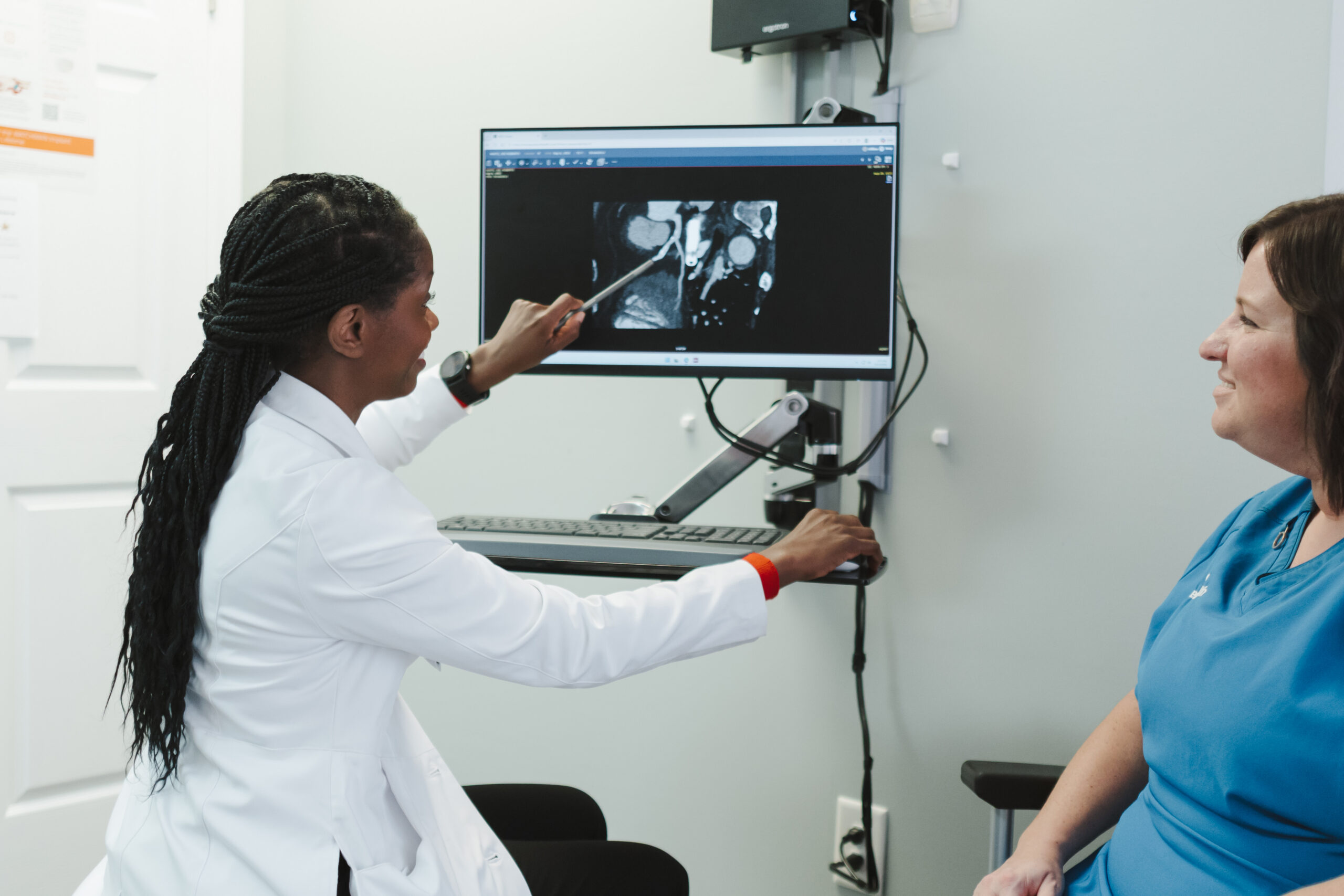
Dr. Rachel Harris M.D. from AdventHealth Redmond provides an extensive guide on how women can prevent, detect, and seek treatment for heart conditions. With more research on women’s heart health available now than ever, she refutes common myths and encourages women to live life to the fullest.
Before Women’s History Month, we had Women’s History Week. Beginning in Santa Rosa, California, it was a dedicated time for the people of this single town in California—in the words of the National Women’s History Museum—“to honor women’s contributions in American history.”
In 1980, a collective of women and historians campaigned for the presidential endorsement of March as Women’s History Month. What had begun as one town’s appreciation of women was now a national month-long celebration of their achievements, labors, and presence.
In recognition of Women’s History Month, AdventHealth is highlighting the medical developments in women’s heart health.
Medical history, stress levels, and diet all factor into our health, but biological traits, such as gender, are equally important. And women’s health is still a point of study for modern researchers.
In the past, it was commonly assumed that men and women shared the same medical symptoms and experiences. More recent studies indicate to determine the differences between the two, and many have been found in the field of cardiology.
However, outdated information and myths remain common knowledge, lowering the average woman’s chance of correctly identifying issues in her health.
Dr. Rachel Harris, from AdventHealth Medical Group Cardiology at Rome, provides a detailed overview of women’s heart health information, including risk factors, methods of detection and prevention, and what treatment looks like at AdventHealth.
Dr. Harris notes that signs of an unhealthy heart are usually connected to other conditions such as:
- Obesity
- Hypertension
- Stroke
- Autoimmune disorders
- Metabolic disorders (PCOS)
These conditions can lead to poor heart health, especially when multiple conditions are present. As a result, there’s a higher chance of developing heart disease and other heart conditions.
It’s also important to consider general activity. Regular tobacco use, physical inactivity, and an unbalanced diet make it harder for the heart to regulate the bloodstream, leading to and worsening existing heart conditions.
Dr. Harris notes that symptoms of a heart condition may deviate based on gender. Past research believed these symptoms to be consistent between men and women. However, many women experience several unique symptoms that are less commonly discussed:
- Chest pain (Details of pain often vary between patients. Chest pain indicating poor heart health may be any combination of sharp, dull, pressured, or shooting sensation.)
- Unusual fatigue
- Shortness of breath
- Pain in neck, shoulders, and abdomen
- Pain in either the left arm, the right arm, or both
- Dizziness
- Cold sweats
These symptoms vary between patients, and women should monitor their symptoms’ frequency and and (ab)normality. If patients have no known reason for these symptoms and they are a regular occurrence, it’s best to consult a primary care physician.
It’s also common for women to experience an abnormal sense of anxiety or dread when developing heart issues. In her experience, Dr. Harris finds that female patients tend to be more sensitive to their medical needs. As such, she encourages women to trust their instincts and contact a care provider if concerns arise.
You know yourself and you know your health. It’s equally important to have a trusted primary care physician who does, too. Their knowledge of your medical history and your numbers will help them determine the optimal resources and specialists specific to you, along with the best prevention and treatment methods.
Establishing a consistent relationship with your PCP is beneficial to every aspect of heart health. They take into account everything from your family’s medical history to your lifestyle, making them a key figure in your health, especially when you need extra care from specialists.
While you are your own advocate, their experience with you can still play a vital role in assuring that you receive the full extent of the care you deserve.
Meeting with your PCP at regular intervals allows them to consider risk factors for heart health that you may not. Not only is your medical history a notable point of concern. The environment you live in and, for women, pregnancy can also increase risk of poor heart health.
Some lesser known risk factors include:
- Prior pregnancy
- Air pollution
- Poor sleep and sleep apnea
- Poor dental health
- Physical inactivity
- Chronic inflammation
- Chronic stress
- Rheumatoid arthritis
- Lupus
Taking care of your heart means taking care of your whole self. While certain risks are best addressed with a physician, what you do every day can be just as beneficial.
Implementing small changes into your life is a great way to prevent further stress on your heart: avoiding tobacco use, exercising regularly, and trying a more plant-based, high-fiber diet are some of the best methods.
These steps are known to lessen higher risk symptoms, as well. They decrease stress, manage blood pressure, and aid in weight loss, all of which help your body and mind.
Most of these risks may seem less specific to women. And while it is true that everyone should take care to address these factors, there are additional reasons for women to take extra precautions.
Several of women’s biological characteristics, specifically those to do with hormones, make them more prone to heart issues.
The most notable of these are puberty, pregnancy, menopause, and in many cases, general anxiety. These phenomena put stress on the body, and each has unique properties that call for better care of the body and mind.
Menopause carries additional risks of its own related to heart disease. Estrogen reduces inflammation and allows the body to maintain better cholesterol. After twelve months without a menstrual cycle, though, estrogen levels are reduced and muscle and bone loss occur. Many women also experience night sweats during menopause, leading to increased risk of hypertension.
Additionally, research has found that women are almost twice as likely to have or develop depression. Paired with high stress phenomena, as previously stated, women are more prone to develop heart disease and other heart conditions.
To combat these stressors, it’s best to regulate your mind and body in other ways. The previously mentioned methods of exercising, avoiding tobacco, and eating a balanced diet are equally useful in easing the stress of these phenomena. Adding therapy as you’re able is also recommended as an extra stress manager.
Women take on hundreds of roles every day. Laborers, educators, athletes, entertainers, caregivers, and more.
It’s important to set aside time to take care of yourself, though. Dr. Harris frames the process of implementing care strategies into your everyday life as “looking at life in a different way.” It’s not something to be taken lightly, but the result of living a happier, healthier life is worth it.
Starting with things that bring you joy is a great way to ease yourself into this new version of life. It can be planting your own vegetables and fruits or taking a walk around your neighborhood every afternoon. It can be meeting with a therapist you trust or going to the sauna a few times a month.
You don’t have to do it alone either. As Dr. Harris puts it, “We’re wired to be part of a community.” Exploring these new avenues can just as easily be a great way to bond with your spouse, your friends, or your children.
AdventHealth Redmond is always seeking ways to combat heart conditions, inside and outside the hospital. They offer the full spectrum of cardiology care, with a large team of physicians and specialists dedicated to helping each patient live a full life. Along with direct medical care, they also offer several informative support groups for those interested in learning more about heart health and a variety of other complex medical conditions.
If you’re concerned about your heart health, AdventHealth Redmond is there every step of the way.
To learn more, visit the website below:
georgiaheartexperts.com